Years of research has proven to us that all play time is important for children and different types of play can have different effects and learning outcomes for them. Structured and unstructured are two categories of play in which children participate but what exactly do we mean by the terms?
Structured play
Structured play often has a defined beginning, middle and end to the activity with a clear goal to achieve and designated learning outcomes. Some examples of structured play would be a jigsaw puzzle, shape sorters or playing a sport. There are usually clear instructions or guidelines for the children to follow and allow the opportunity for maximum learning. They may be observed throughout the activities and possibly evaluated for grading purposes too. As they often take place in adult environments, with a set of rules to follow, the planned nature of structured play doesn’t allow for much freedom and can take away a large element of the children thinking for themselves.
Unstructured play
Firstly, unstructured play does not mean that children are let free and loose in a no rules environment, nor does it mean unsupervised. It can be alone or with friends and family, and unlike structured play has no specific end goal or learning objective in mind. Unstructured play does not have a beginning, middle or end and is not rules orientated, it is reliant on a child’s imagination to self-direct their play time. It may include toys or no toys, activities like dressing up, playing on outdoor equipment or anything that allows for infinite play options.
Why is unstructured play important?
Neither structured nor unstructured play is more important than the other, as both help the child to develop all their necessary life skills. In early year’s development, school takes the form of a more unstructured, active approach, and is focused on learning through playing both indoors and outdoors (for example, sand pits, role play, story time corner) and then a more structured learning approach is introduced as the child progresses through the school years. This means that as children get older the opportunity for unstructured play is perhaps left more to lunch breaks where they can relax and let go of stresses and anxieties from the classroom. However, unfortunately, in a world of increasing technologies and seemingly less spare time the amount of purely unstructured playtime children are getting is declining.
It is through unstructured play, at any age, that children can really develop their skills. These include communication and social skills such as conflict resolution when faced with opposing views and arguments, learning to share, learning to appreciate others’ opinions, and interacting with other children and their environment. It also develops their emotional, physical and cognitive skills as well as building confidence and self-esteem. The self-motivated aspect of play gives children the freedom to expand their own interests and discover what they enjoy and what they don’t. Creativity, imagination and self-expression can take over, stretching the mind much more so than a game on a phone or a cartoon on the television. By nature it also usually involves a lot of movement which can help children preserve information – the more sense involved in the activities, the more likely they are to retain and learn from it, as well as giving them all the benefits of physical exercise.
Unstructured play equipment at Playdale
Our Jungle Climber range presents a fun and daring challenge to children. With no obvious entry or exit points this piece of equipment helps to improve agility and coordination and promote unstructured play. Inspired by the activity of climbing trees they can let their imaginations run wild and decide whether they are climbing in the Amazon, Borneo or the Congo. For the younger ones we have the Roleplay range which features a variety of equipment from sandpits to tunnels to wigwams all to encourage cooperation and sharing whilst also stimulating the imagination.
Achieving a healthy balance between structured and unstructured play and providing opportunities for both kinds of play each day is key. While many feel the need to equip children with technology, electronic games, computers and television to keep them entertained, one should never underestimate the benefits of good old fashion play time.


We understand that every penny matters. Schools across the UK are under increasing pressure to make their budgets stretch further while delivering the best possible experience for pupils. With changes to PE and school sport funding on the horizon, planning and managing your budgets carefully is more important than ever. The UK Government has recently […]
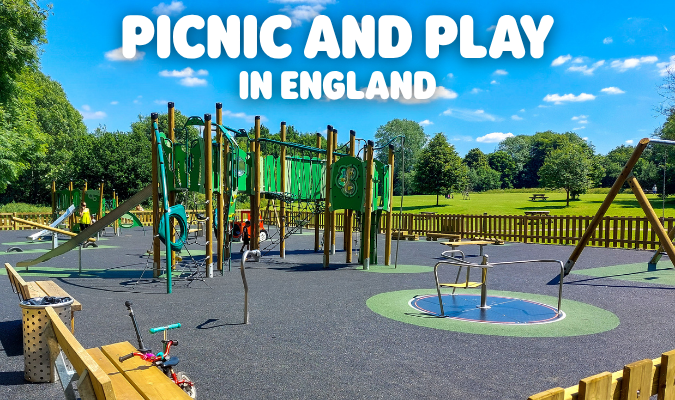
Picnic & Play… in England Welcome to our 2026 Picnic and Play guide, bringing together some of our favourite family-friendly parks and playgrounds across England. With fantastic playground equipment and plenty of space to unpack a picnic, each destination makes the perfect place for a family day out this summer. There are, of course, many […]
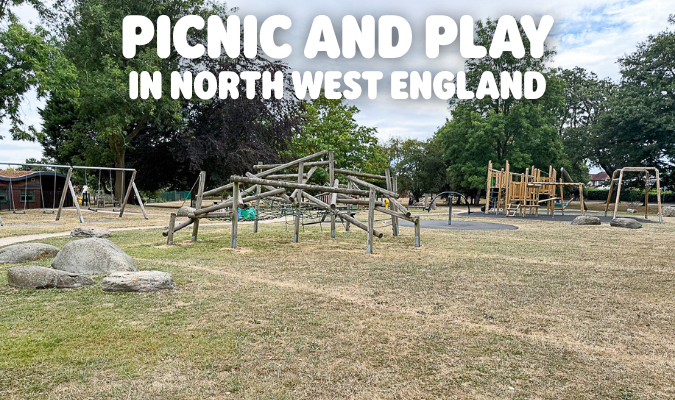
Picnic & Play… in North West England Welcome to Playdale’s Picnic and Play guide for 2026, created to help families find the best parks and playgrounds over the summer holidays! We’ve made sure all these parks are equipped with a fantastic selection of playground equipment and spaces to relax and enjoy a picnic. This time, […]