Remember those wonderful days of your childhood where you would spend hours in the playground swinging as high as you could pretending that you could fly? Now that you accompany your own children to the playground do you ever wonder what the benefits of learning to swing is and why we enjoy it so much?
Newton’s First Law Of Motion
Before we explore the physical and emotional benefits of playing on a swing we will look at how a swing works. A swing is essentially a pendulum that is powered by a child or indeed an adult who is reminiscing about their childhood. Engineers use their knowledge of how pendulums work to help them to understand motion, gravity, inertia and centripetal force. Pendulums are used to introduce engineering students to Newton’s, ‘First Law Of Motion’, which relates to continuous motion and inertia. To us this means that once we start gaining momentum when we are on a swing we have to put our feet on the ground to help us to stop.
Learning How To Swing
Children have to develop the skills necessary to be able to swing, just as they have with every milestone they have reached. Initially an adult has to help a child to sit on to the swing and then push the swing so that it will move. Eventually the child will be able to climb on to the swing themselves. Once they have acquired the successful coordination of bending their body and moving their legs back and forth they will no longer require adult assistance. An experienced swinger will have good balance and will swing fluently and smoothly enabling them to swing higher and higher.
The Physical Benefits Of A Playground Swing
Swinging helps aid the development of gross motor skills including; locomotion, balancing and coordination. Fine motor skills are also refined these include; hand arm and finger coordination, grip strength and the circling motions of arms and legs.
The Social And Emotional Benefits Of A Playground Swing
Although swinging is a solitary activity it does involve interaction with other children and adults in the playground. Interaction can involve learning how to take turns and sharing the use of the swings with each other. A swing can also bring out the competitive instinct as children see who can swing the highest. Emotionally a child benefits from the social interaction with adults and their friends in the playground.
It Feels Like Flying
Swinging is a sensory experience that helps a child to acquire the necessary skills to respond to movement and gravity. In simple terms swinging helps the brain to fine tune the body’s neurological and physical response to the movement of the inner ear. This helps children to develop balance and body awareness. Also while a child is swinging their imagination is running wild and they could be in a spaceship, on a magic carpet or just flying like a superhero.


We understand that every penny matters. Schools across the UK are under increasing pressure to make their budgets stretch further while delivering the best possible experience for pupils. With changes to PE and school sport funding on the horizon, planning and managing your budgets carefully is more important than ever. The UK Government has recently […]
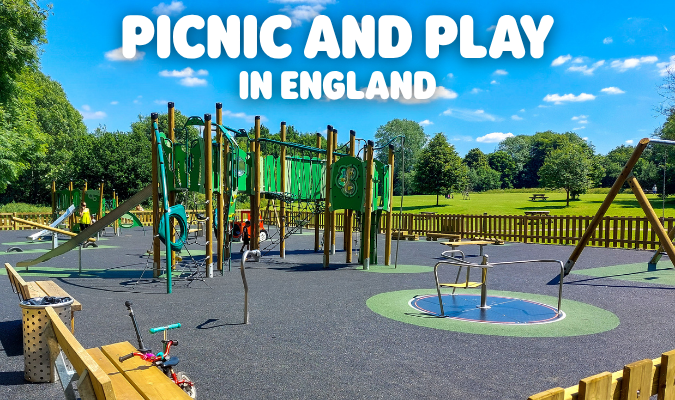
Picnic & Play… in England Welcome to our 2026 Picnic and Play guide, bringing together some of our favourite family-friendly parks and playgrounds across England. With fantastic playground equipment and plenty of space to unpack a picnic, each destination makes the perfect place for a family day out this summer. There are, of course, many […]
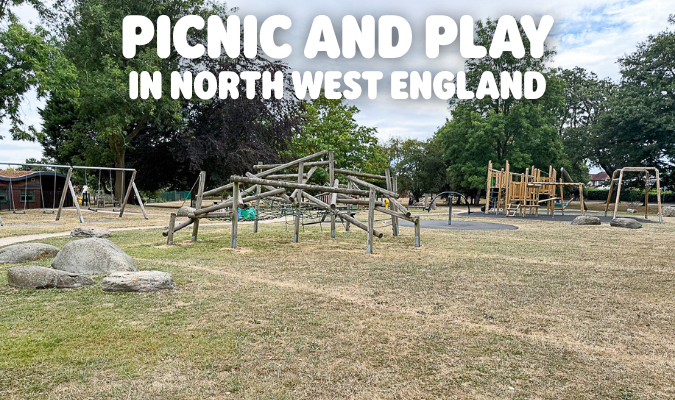
Picnic & Play… in North West England Welcome to Playdale’s Picnic and Play guide for 2026, created to help families find the best parks and playgrounds over the summer holidays! We’ve made sure all these parks are equipped with a fantastic selection of playground equipment and spaces to relax and enjoy a picnic. This time, […]