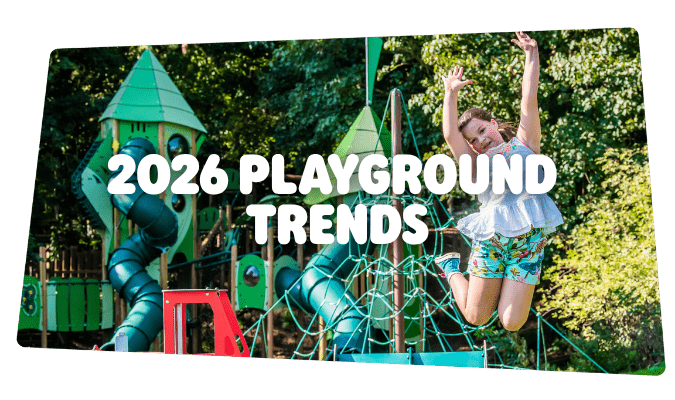
Playground design in the UK has been evolving rapidly as we move through 2026, with changes in playground equipment, school playground design, and community spaces driving new expectations.
At Playdale, we believe playgrounds are more than just an outdoor space. They’re a vital part of creating healthier, more connected communities. As part of our Play Forward approach, we’re looking ahead at the trends shaping the future of playground design.
Here are the top FIVE playground trends in 2026…
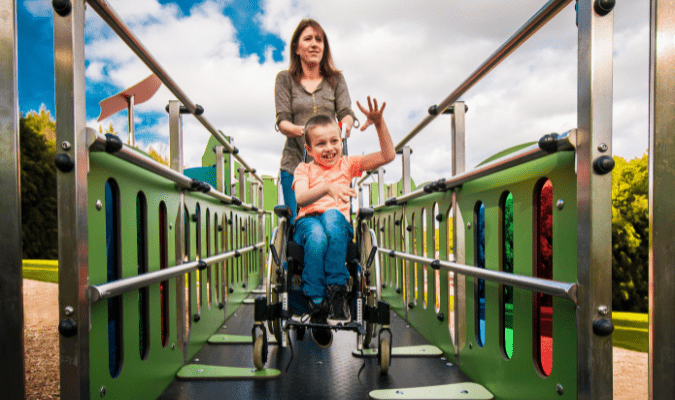
Inclusive playground design is no longer a ‘nice to have’; it has rightly become an expectation.
Designing your playground for accessibility means creating integrated spaces where children of all abilities can play together, not separately.
Examples of this include:
– Step-free access and other accessible routes to the equipment
– Multi-sensory play experiences
– Equipment that supports a wide range of physical and cognitive abilities
For schools and local authorities, choosing inclusive playground equipment aligns with funding criteria and best practice guidance.
What does this mean for your project? Inclusive play should be considered from the very start, not added in as an afterthought. If done well, it will create a welcoming, engaging space that provides real value to communities.
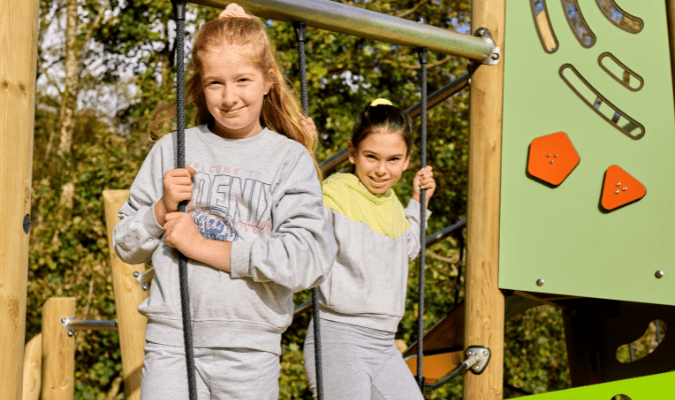
With land availability under pressure and budgets tightening, there’s a growing demand for high-impact solutions for small spaces.
Compact equipment, when designed well, can deliver a wide range of play experiences without requiring a larger footprint. Urban schools, housing developments and regenerative projects are great examples of spaces that require a high level of play value within a limited footprint.
Playground solutions such as multi-play units and vertical play elements allow children to climb, explore, and challenge themselves within a limited area.
What does this mean for your project? You don’t need a large space to create a meaningful playground. Smart design ensures every square metre works harder.
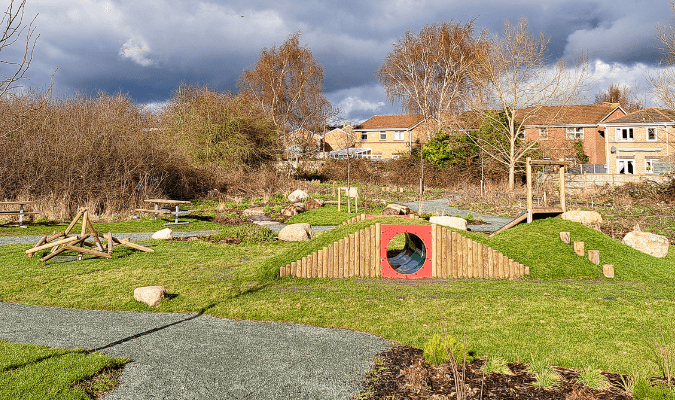
Children have always been drawn to environments that feel natural; that’s why your playground design should immerse them in it.
Examples of this include:
– Timber playground equipment with green HPL (High-Pressure Laminate) panels.
– Rocks and logs placed throughout the space.
– Strategically placed plants and other greenery.
Adding natural play equipment not only supports imaginative play but also promotes overall wellbeing, sensory engagement and a stronger connection with the outdoors.
Natural playground design also aligns with the wider sustainability and placemaking goals that housebuilders and local authorities work towards.
What does this mean for your project? Don’t fight the natural landscape with your playground. Allow it to become part of the experience.
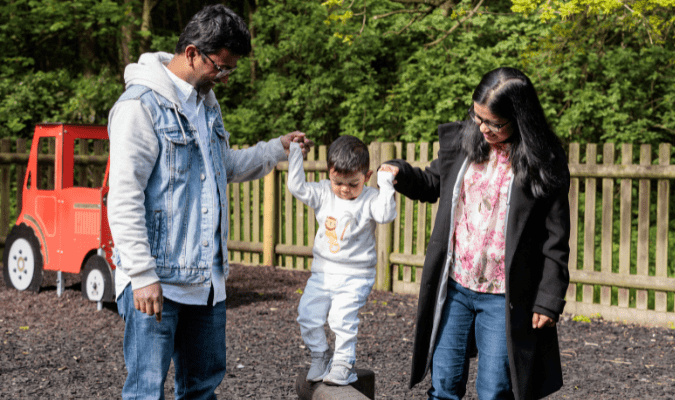
Public playgrounds are more than just a place to play; they are evolving into multi-purpose community spaces.
Rather than just designing your playground for a single age group or purpose, why not consider creating a space that serves a wider range of users, encouraging social interaction and community use?
Community playgrounds are particularly important within housing developments and public spaces, where play areas contribute to the overall sense of belonging.
What does this mean for your project? Try thinking beyond the playground equipment. Consider how the space will be used by the whole community.
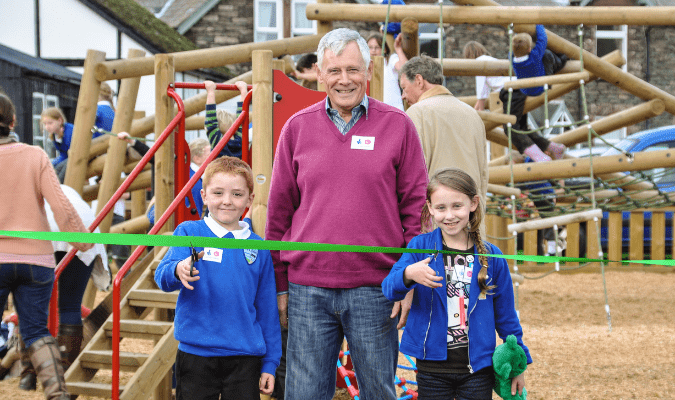
The biggest trend in 2026 is how outdoor play is being perceived.
Playgrounds are now recognised as essential infrastructure, supporting physical health, mental wellbeing and social integration.
With playground funding programmes such as regeneration initiatives and community play investment schemes, play is now a key component in delivering long-term social value.
What does this mean for your project? Investing in communities through outdoor play is becoming a priority throughout the planning and funding processes.
These 2026 playground trends highlight a clear shift. Playgrounds are no longer standalone features; they are integral to how we design spaces for people to live, learn and connect.
At Playdale, we use nearly 50 years of experience as the UK’s leading playground manufacturer to bring your ideas to life, creating inclusive, durable play spaces built for the future.
Whether you’re planning a new playground design or upgrading existing playground equipment, having the right guidance makes all the difference. Get started with Playdale today.


We understand that every penny matters. Schools across the UK are under increasing pressure to make their budgets stretch further while delivering the best possible experience for pupils. With changes to PE and school sport funding on the horizon, planning and managing your budgets carefully is more important than ever. The UK Government has recently […]
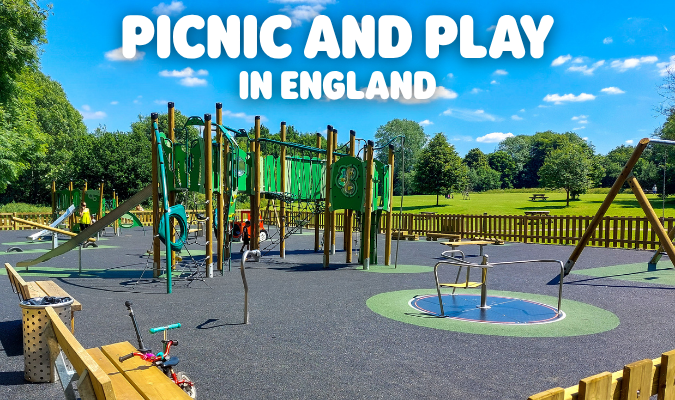
Picnic & Play… in England Welcome to our 2026 Picnic and Play guide, bringing together some of our favourite family-friendly parks and playgrounds across England. With fantastic playground equipment and plenty of space to unpack a picnic, each destination makes the perfect place for a family day out this summer. There are, of course, many […]
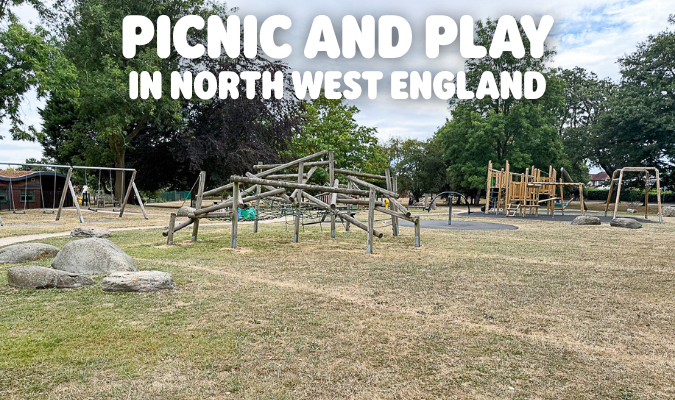
Picnic & Play… in North West England Welcome to Playdale’s Picnic and Play guide for 2026, created to help families find the best parks and playgrounds over the summer holidays! We’ve made sure all these parks are equipped with a fantastic selection of playground equipment and spaces to relax and enjoy a picnic. This time, […]