Parents will tell you: there’s nothing worse than when a child is over-tired. However, many will be surprised to hear how many children are actually sleep-deprived – 70%, according to a survey by the Child Mind Institute!
Today’s children are faced with a rather over-stimulating world, spending hours a day watching TV, playing video games and using other electronic media, all of which act as deterrents to a good night’s sleep.
In a world filled with iPads, Nintendo’s and Xboxes, good old-fashioned outdoor play, like running, jumping, catch-playing and use of outdoor play equipment – like climbing frames and swing sets – can sometimes be overlooked.
Studies have shown that swapping ‘screen time’ for ‘green time’ can have an extremely positive effect on a child’s sleep habits, as well as providing the obvious health benefits of getting children out and about.
Here’s how outdoor play can help your child sleep better and improve their physical, social and emotional health.
As most parents know, children are generally bad judges of how much sleep they really need. It’s recommended that 7-12-year-olds get 10-11 hours per night, while 3–6-year-olds need 10-12 hours.
In reality, most children aged 7-12 are only getting about 9 hours, while 3-6s are getting less than 10.
Sleeping well usually makes a child less cranky, calmer and more productive. Studies have shown, however, that more play time – particularly in natural settings – can help children get the high-quality night’s sleep they really need.
Your child’s circadian rhythm is their internal body clock, and is one of the most important factors affecting their sleep quality. Regular doses of bright natural light help children stay more alert during the day, elevate their moods and make it easier to sleep at night.
Natural, outdoor sunlight is much brighter than artificial, indoor lighting and covers a broader spectrum of light. Exposure to sunlight helps set their body clock for a better and earlier night’s sleep.
Nature has a soothing, comforting effect on children. It can take away stress and provide a haven for kids who are otherwise feeling the pressures of school, family and socialising.
Just as adults do, children have stresses. But time spent exploring nature’s different colours, textures, shapes and sights can go some way to relaxing them. In a place with far less boundaries, children can really let go – running, sliding, crawling and jumping.
Exercise has a positive impact on children’s mental health, releasing soothing endorphins into the bloodstream and also driving the body’s production of melatonin – the sleep hormone.
Early years outdoor play encourages physical activities – such as climbing, jumping, running, tumbling and spinning – that promote muscle fitness and flexibility.
Research shows that the amount of moderate to vigorous physical activity in childcare settings increased from 1% indoors to as much as 11% outdoors.
When outdoor play was child-led, the amount of time further increased to 17%. It also makes sense that, when exercise is child-led and not labelled as ‘exercise,’ children are far more likely to carry on for a longer time as it’s simply fun.
Research has also found that children who suffer from attention deficit hyperactivity disorder (ADHD) get significant relief from their symptoms, and are able to concentrate better, if they spend some time outdoors.
We all know that sleep deprivation can have a very detrimental effect on a child’s progress and development. It can stunt physical growth, impede performance at school, lead to anxiety or depression and contribute to future health problems like obesity.
At Playdale, we consider it our duty to help make children happy and healthy by improving access to play. We offer a range of outdoor playground equipment for schools, nurseries and more, ensuring that children can experience the world, grow socially and emotionally, and improve their sleep.
To find out more about what we do, contact us or download our brochure today.


We understand that every penny matters. Schools across the UK are under increasing pressure to make their budgets stretch further while delivering the best possible experience for pupils. With changes to PE and school sport funding on the horizon, planning and managing your budgets carefully is more important than ever. The UK Government has recently […]
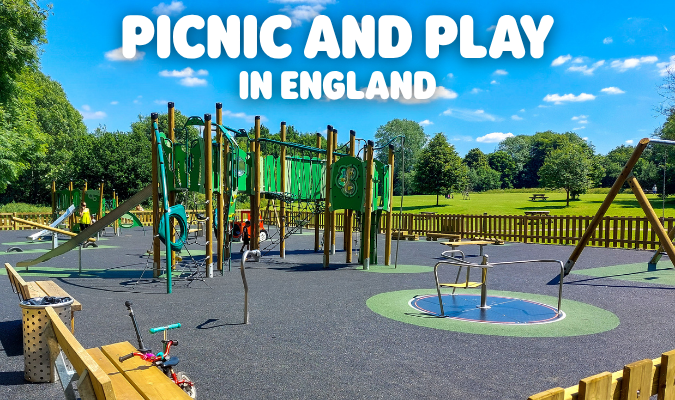
Picnic & Play… in England Welcome to our 2026 Picnic and Play guide, bringing together some of our favourite family-friendly parks and playgrounds across England. With fantastic playground equipment and plenty of space to unpack a picnic, each destination makes the perfect place for a family day out this summer. There are, of course, many […]
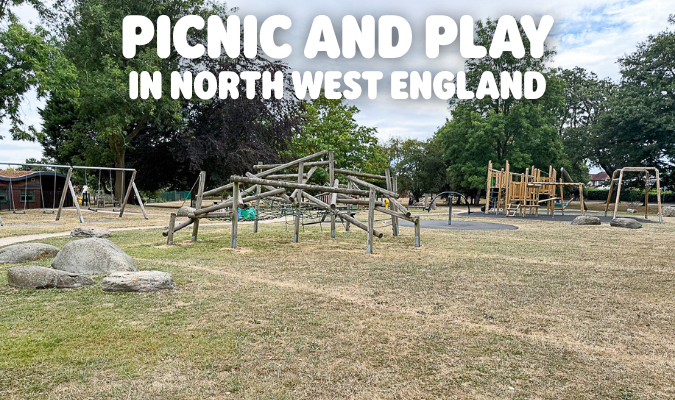
Picnic & Play… in North West England Welcome to Playdale’s Picnic and Play guide for 2026, created to help families find the best parks and playgrounds over the summer holidays! We’ve made sure all these parks are equipped with a fantastic selection of playground equipment and spaces to relax and enjoy a picnic. This time, […]