STEM learning refers to the integrated teaching and learning of science, technology, engineering, and mathematics through hands-on and practical knowledge. STEM learning, or any type of learning for that matter, does not always have to take place inside the classroom. Children can have access to an unrestrained laboratory while they learn outside! Installing educational outdoor playground equipment create a space where children can explore, investigate, challenge themselves, and ask questions within a structured learning environment. With that in mind, here are three ways to incorporate STEM learning into your school playground.

Structured playground equipment, such as educational play panels, provide teachers with equipment that can be used during lessons time as well as playtime. Our Weather Stations Panels takes science lessons outdoors and can help children understand meteorology and the science behind the weather in a more practical way.
The barometer, thermometer, hygrometer and rain gauge can help children understand the changes that happen across each season. As a long term project children can look at the wide-reaching impacts of weather and climate change locally and globally.
Children can take turns recording the readings and relaying the information back to the class, which helps them understand that the weather is observable and measurable while also practising their presentation skills.
Being able to access the panel at playtime can also provide the opportunity to role-play what they have learnt during the lesson. Why not pretend to be a Meteorologist, researching, reporting and predicting the weather patterns or even a weather presenter on TV!

Children are inherently curious at a young age. They love new experiences and explore them with their senses. Mud Kitchens provide the perfect setting for many STEM learning opportunities. Teachers can introduce Science Projects and the concept of simple weights and measures through supported play. They can get their hand dirty and experiment with the consistency and texture of mud. This experimentation can then lead to ‘what if….’ questions and them coming up with their own innovative solutions to these questions. Children can then hypothesise about the outcomes of experiments and again discuss methods and results with the rest of the class.

By participating in environmental play, children learn how plants grow, birds live, how leaves decompose to making compost. The concept behind environmental playground equipment is simple: children learn not just important lessons about wildlife and plants, but also how to respect their surroundings. Composters, Worm Villas and Eco Inspection Tables allow children to become nature detectives not only in the school playground but in their gardens at home or local park, learning about plants and animals in all different environments.
If you need any further STEM learning inspiration, you can find plenty of useful information on the STEM resources website.
At Playdale we have created a huge range of educational playground equipment for schools and nurseries that are prefect for practical STEM learning. If you are considering improving your school’s outdoor areas contact us to arrange a free, no-obligation appointment with your local Area Manager.


We understand that every penny matters. Schools across the UK are under increasing pressure to make their budgets stretch further while delivering the best possible experience for pupils. With changes to PE and school sport funding on the horizon, planning and managing your budgets carefully is more important than ever. The UK Government has recently […]
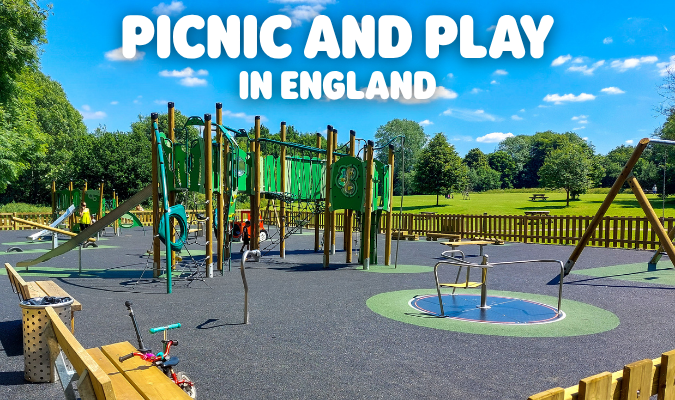
Picnic & Play… in England Welcome to our 2026 Picnic and Play guide, bringing together some of our favourite family-friendly parks and playgrounds across England. With fantastic playground equipment and plenty of space to unpack a picnic, each destination makes the perfect place for a family day out this summer. There are, of course, many […]
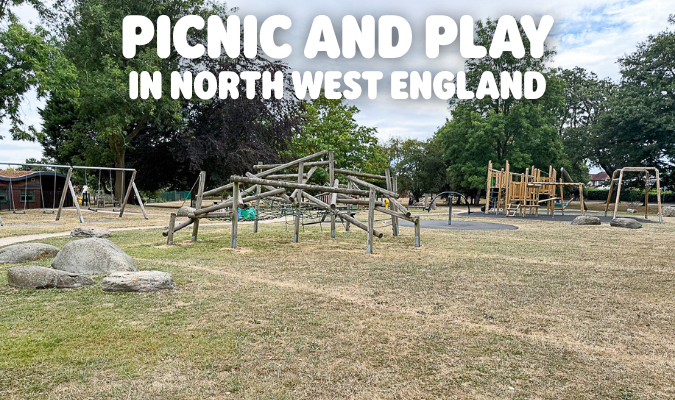
Picnic & Play… in North West England Welcome to Playdale’s Picnic and Play guide for 2026, created to help families find the best parks and playgrounds over the summer holidays! We’ve made sure all these parks are equipped with a fantastic selection of playground equipment and spaces to relax and enjoy a picnic. This time, […]