Playgrounds, parks, and other aesthetically pleasing open spaces are important selling points for new housing developments. They are critical to the development of healthy communities because they improve physical, mental, and emotional well-being. Many local planning authorities emphasise the importance of a variety of both formal and informal outdoor spaces. Fields In Trust refers to these areas as LAPs, LEAPs, and NEAPs. But what exactly does it all mean?
Fields In Trust developed the terms LAPs, LEAPs, and NEAPs to provide detailed technical guidance play in a variety of sectors. Planners and play specialists widely use them, with many local planning authorities requiring the use of the guidance in new developments as part of their planning obligations. We have detailed the definitions of each acronym below to make it easier for you to understand the difference between them.

A LAP primarily intends to encourage informal play and social interaction among younger children. Typically, the area defines itself through low-level playground equipment and its proximity to a well-used pedestrian route. Seating and signage should be provided in this area. See more detailed technical guidance on our dedicated housing development page here.
Below our Area Manager Will Desborough takes a tour around this fantastic site in a new housing development in Cambridge. This playground feature a Stockholm Plus unit from our new Big City Plus range of stainless steel junior multi-play units.
A LEAP playground, designed for children who are beginning to experience independent play, can provide a perfect space for children to play as well as peace of mind for parents and carers. The recommendation is to provide a stimulating, challenging play experience with a minimum of six play experiences, whether they consist of natural elements such as boulders or formal playground equipment. This area should have seating, litter bins, and signage. See more detailed technical guidance on our dedicated housing development page here.

Combining NEAPs with LEAPs can often create a greater play provision. Additionally, the equipment in a NEAP play area primarily aims at older children; however, it should also include a space for younger users, as well as stimulating challenging play opportunities with a minimum of eight play experiences. Moreover, people frequently combine NEAPs with LEAPs to increase play provision. Lastly, it is important that this area is equipped with seating, litter bins, and signage.

Integrating standalone pieces of play equipment throughout your green spaces can transform everyday routes into playful adventures for families.
Installing elements such as Adventure Trail along pathways and open spaces throughout your development can create a natural ‘play on the way’ experience.
This not only encourages children to stay active on their daily journeys to school, the shops, or friends’ houses, but also brings your development to life with engaging, informal play moments beyond the central playground.
For more detailed technical information on LAPs, LEAPs, and NEAPs, please visit our dedicated Architects & Housing Developers page.


We understand that every penny matters. Schools across the UK are under increasing pressure to make their budgets stretch further while delivering the best possible experience for pupils. With changes to PE and school sport funding on the horizon, planning and managing your budgets carefully is more important than ever. The UK Government has recently […]
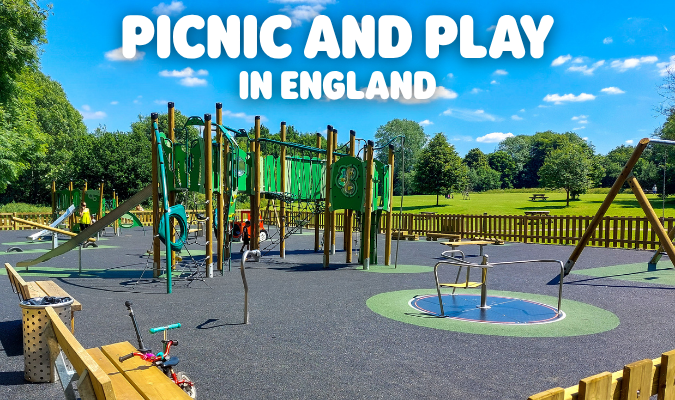
Picnic & Play… in England Welcome to our 2026 Picnic and Play guide, bringing together some of our favourite family-friendly parks and playgrounds across England. With fantastic playground equipment and plenty of space to unpack a picnic, each destination makes the perfect place for a family day out this summer. There are, of course, many […]
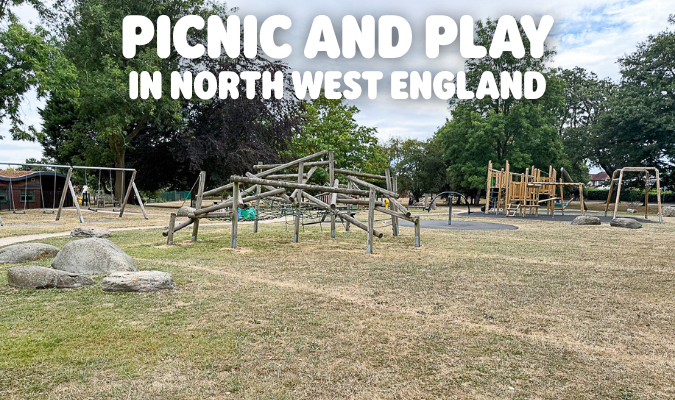
Picnic & Play… in North West England Welcome to Playdale’s Picnic and Play guide for 2026, created to help families find the best parks and playgrounds over the summer holidays! We’ve made sure all these parks are equipped with a fantastic selection of playground equipment and spaces to relax and enjoy a picnic. This time, […]