Regular playground inspections and maintenance are the two most important responsibilities any playground operator carries. No matter how well-specified a play space is at the outset, equipment deteriorates over time – fixings loosen, surfaces wear and timber is subject to the elements.
A structured inspection programme, paired with prompt and properly documented maintenance, is the only reliable way to keep a playground safe, legally compliant and in good operational condition.
This guide covers how often playground equipment should be inspected, what each level of inspection involves, what a robust daily checklist looks like and how to approach ongoing maintenance – with a clear breakdown of responsibilities for schools, local authorities and contracted operators. For the legislative and standards context, see our full guide to UK playground safety standards.
1. Inspecting playground equipment.
2. How often should playground equipment be inspected?
3. Daily playground inspection checklist.
4. How to maintain a playground.
5. Signs that playground equipment needs repair or replacement.
6. How long does playground equipment last?
7. Playground inspection responsibilities.
8. Playground maintenance FAQs.
Playground inspection in the UK follows a three-tier framework, with each level serving a distinct purpose. Together, they form a structured safety net that covers everything from obvious daily hazards to detailed annual compliance checks.
The routine visual inspection is the most frequent check and the first line of defence against immediate hazards. It should be carried out by site staff or the playground operator – typically daily, or at minimum before the play area opens. The purpose is to identify anything that presents an obvious risk: broken or damaged equipment, vandalism, litter, debris or foreign objects. No specialist knowledge is required, but the person doing it should know what normal looks like and be confident reporting anything that doesn’t.
The operational inspection is a more detailed check focused on the wear and condition of the equipment. It should be carried out by a competent person – someone with a working understanding of playground safety standards – at intervals of between one and three months. This inspection examines moving parts and connections, checks for corrosion or loosening in fixings, assesses timber for early signs of decay and evaluates whether impact-absorbing surfacing remains intact and correctly positioned.
The annual main inspection is a comprehensive, independent audit of the entire play space. It must be carried out by a qualified playground inspector, typically accredited by the Register of Play Inspectors International (RPII) or an equivalent body.
This inspection provides a full assessment of every item of equipment, all surfacing and the layout of the space against BS EN 1176 and BS EN 1177. It results in a written report detailing the condition of all equipment, any defects identified and the remedial action required. The annual report underpins the operator’s duty of care and provides an auditable record in the event of an incident or insurance claim.
UK playground equipment must be inspected at three distinct frequencies, each governed by a different level of competence and covering a different scope of risk.
Routine visual inspections: Daily (or before opening). Carried out by site staff or the playground operator. Purpose: identify immediate hazards, including broken components, vandalism, debris and foreign objects before the play area is used.
Operational inspections: Every one to three months. Carried out by a competent person with working knowledge of BS EN 1176 and BS EN 1177.
Annual main inspections: once per year. Carried out by an independent, qualified inspector.
These frequencies align with the recommendations of the Royal Society for the Prevention of Accidents (RoSPA) and the Association of Play Industries (API).
A daily visual inspection should be quick, consistent and properly recorded. Work through the checklist below at the start of each day or before the play area opens. Each item should be signed off and any defect logged with the date, description and action taken.
1. Fall zones and surfacing: Verify that fall zones meet the minimum distances required under BS EN 1176. Check that impact-absorbing surfacing remains intact, uncompacted and free of displacement – paying close attention to high-traffic areas beneath swings and at slide exits where wear concentrates fastest.
2. Timber decay indicators: Probe timber posts and beams for soft spots, rot or fungal growth – decay is not always visible on the surface. Pay particular attention to ground-level contact points and any areas where water is likely to pool. Compromised timber can affect structural integrity long before it becomes visually obvious.
3. Entrapment points: Check all openings, gaps and angles for potential head, neck or limb entrapment. Under BS EN 1176, openings should measure either less than 89mm (to prevent head entry) or more than 230mm (to allow free passage). Any opening that falls between these measurements – the so-called “entrapment zone” – must be addressed as a priority.
4. Climbing frames and elevated structures: Inspect all handholds, footholds and climbing components for stability and integrity. Check that guardrails and barriers on elevated platforms meet the required heights and show no sign of loosening. Apply lateral load tests to uprights and handrails where movement is suspected.
5. Fixings, fastenings and moving parts: Check bolts, screws and connectors for corrosion, loosening or protrusion. Inspect swing chains, pivot points and cable components for wear or deformation. Exposed bolt ends should be capped or countersunk; any protrusion presenting a snagging or impalement risk must be rectified before the equipment is returned to use.
6. Record, act and review: Document all findings, including defects identified, their severity and the action taken or planned. Prioritise hazards by risk level – closing equipment immediately where necessary – and set clear timeframes for remedial work. Review and update your risk assessment records after every inspection cycle.
For more information, consult our additional playground maintenance tips.
Inspection and maintenance are closely linked but have distinct responsibilities — inspection identifies issues, maintenance resolves them. Work should follow every inspection, with urgency determined by the severity of the defect. Where an issue presents an immediate risk, the affected equipment must be taken out of service and not returned to use until repaired to the required standard. Deferring safety-critical repairs exposes operators to legal liability and, more importantly, to the risk of serious harm.
Keep it clean and disinfected
Routine cleaning of high-contact surfaces – handrails, platform edges, play panels and seating – should be part of the regular maintenance schedule. Disinfecting surfaces reduces the risk of cross-contamination, particularly in early years and school settings. Remove debris promptly after every inspection.
Maintain moving parts and fastenings
Moving components – including swing chains, pivot points, rotating features and cable elements – are subject to the highest levels of wear and should be inspected and lubricated at regular intervals. Chains should be checked for deformation, elongation or corrosion. Loose or corroded fixings should be tightened or replaced; never leave a fastening in a deteriorated state, as failure under load can cause serious injury.
Replace broken parts as soon as possible
When a component fails, the speed of repair matters. Keeping a stock of commonly needed spares – caps, bushes, bolts, swing seats and chains – reduces the time equipment is out of service. These parts should always come from the original equipment manufacturer. See our playground inspection tips for further guidance on identifying parts that need replacing.
Maintain proper surfacing
Loose-fill materials compact and migrate over time and must be topped up regularly to maintain the correct depth in fall zones. Wet-pour and bonded rubber surfaces should be inspected for cracking or lifting, with repairs completed before surface integrity is compromised. Surfacing that no longer meets the Critical Fall Height requirements of BS EN 1177 should be repaired or replaced without delay.
Keep maintenance records
Every maintenance action should be documented. Records should include the date, the nature of the defect or task, what action was taken, who carried it out and whether any follow-up is required. Comprehensive records demonstrate a consistent duty of care and are essential in the event of an incident, insurance claim or external audit.
Some defects are obvious; others develop gradually and are easy to overlook without a disciplined approach to inspection. The following are the key indicators that repair or replacement is required.
Wear and tear
Wear is a normal consequence of use, but it becomes a safety issue when it compromises function or structural integrity. Worn swing seats and chains, faded or chipped coatings on steel components and worn handholds on climbing equipment all require prompt attention. Any component that no longer performs its intended function should be repaired or replaced.
Structural issues
Structural problems require immediate action. Timber decay – whether rot, fungal growth or softening at ground-level contact points – compromises load-bearing capacity and is not always visible without probing. Corrosion in steel components, particularly at welded joints, should be treated before it affects structural integrity. Any structure that moves, tilts or shows instability under load should be taken out of service immediately and assessed by a qualified inspector.
Surfacing problems
Compacted or displaced loose-fill surfacing reduces impact attenuation and can leave fall zones inadequately protected. Cracked or lifting wet-pour creates trip hazards and allows water ingress that accelerates deterioration. Insufficient surfacing depth in any fall zone must be addressed as a priority, as it directly affects the Critical Fall Height performance required under BS EN 1177.
Playground equipment lifespan varies by material, usage intensity and maintenance consistency. The figures below reflect Playdale’s manufacturer guarantees, which apply when equipment is correctly installed, inspected and maintained.
Timber playground equipment: 15–25 year lifespan. Playdale guarantees timber components for up to 20 years. Timber requires regular inspection for ground-level decay, fungal growth and softening, and periodic treatment to maintain structural integrity.
Structural stainless steel playground equipment: up to 25 years. Playdale guarantees structural stainless-steel components for 25 years. Stainless steel is resistant to corrosion and impact damage, making it suited to high-traffic sites, coastal locations and environments with high exposure to moisture.
Painted steelwork: coating guaranteed for approximately 5 years. After the coating guarantee period, repainting or protective treatment is required to prevent corrosion advancing to the structural steel beneath.
Playground surfacing: wet-pour rubber and bonded rubber mulch surfaces typically last 10–15 years with regular maintenance and impact zone top-ups. Loose-fill materials such as wood fibre require ongoing topping-up as they compact and migrate with use, and may need full replacement after several years of heavy traffic.
All lifespan figures assume a documented inspection programme at routine, operational and annual levels throughout the equipment’s life. Equipment that is inspected infrequently, or where defects are not acted on promptly, will deteriorate significantly faster than these figures suggest.
Read more about why playground equipment needs to last longer than ever before and how technology provides quality, long-lasting playground equipment.
For an in-depth explanation of material choice implications, see our guide to playground equipment, design and safety.
The legal responsibility for playground inspection and maintenance lies with the organisation or individual that operates and controls the play space.
Schools and nurseries must ensure playground equipment is safe for pupils and staff under the Health and Safety at Work Act 1974 and the Management of Health and Safety at Work Regulations 1999. The headteacher and governing body are ultimately accountable, though day-to-day responsibility is often delegated to a site manager. Inspection and maintenance records should be maintained to a standard that would withstand external scrutiny, including an Ofsted visit where management of the physical environment can form part of safeguarding judgements.
Local authorities managing public parks, open spaces and estate playgrounds are responsible for all equipment within those spaces. Many councils operate internal asset management frameworks that specify inspection frequencies above the general industry minimum. Operators should confirm what their specific obligations are, as these vary significantly between councils.
Commercial operators such as leisure venues, pub gardens, housing developers and other private operators carry full responsibility for the ongoing safety of equipment on their sites.
This includes documenting routine and operational inspections, commissioning annual main inspections by a qualified inspector and acting on all identified defects without delay. Public liability insurance should be appropriately informed of the play equipment on site – failure to demonstrate adequate maintenance records can affect the validity of a claim.
The organisation or individual responsible for operating the playground carries legal responsibility for its inspection and maintenance. This typically means the school, local authority, parish council, housing developer or private business that controls the site. Day-to-day responsibilities are often delegated, but legal accountability remains with the operator.
The annual main inspection must be carried out by a qualified, independent inspector – typically RPII-accredited or equivalent. Routine visual and operational inspections can be carried out by site staff, but the annual inspection requires independent expertise and must result in a written report.
Any equipment that fails an inspection and presents an immediate risk must be taken out of service straight away – cordoned off and clearly signed to prevent use. It should not be returned to use until the defect has been fully repaired. Operators who allow unsafe equipment to remain in use risk legal action, invalidation of insurance and, most critically, serious harm to children.
Operators should maintain records of all three inspection levels – routine, operational and annual – including the date, the inspector, defects identified, their severity and the action taken. Annual inspection reports should be retained in full. These records are essential in the event of a legal claim, insurance investigation or external audit.
A playground inspection is a physical check of equipment and surfacing condition at a specific point in time; a playground risk assessment is an ongoing evaluation of hazards present in the play environment and the control measures used to manage them.
In practice, inspections feed into risk assessments: defects and wear identified during a routine, operational or annual inspection are recorded, assessed for severity and used to update the risk assessment.
The risk assessment then sets the framework for how those hazards are controlled, monitored and reviewed on an ongoing basis. Both documents are required under the Health and Safety at Work Act 1974 and the Management of Health and Safety at Work Regulations 1999.


We understand that every penny matters. Schools across the UK are under increasing pressure to make their budgets stretch further while delivering the best possible experience for pupils. With changes to PE and school sport funding on the horizon, planning and managing your budgets carefully is more important than ever. The UK Government has recently […]
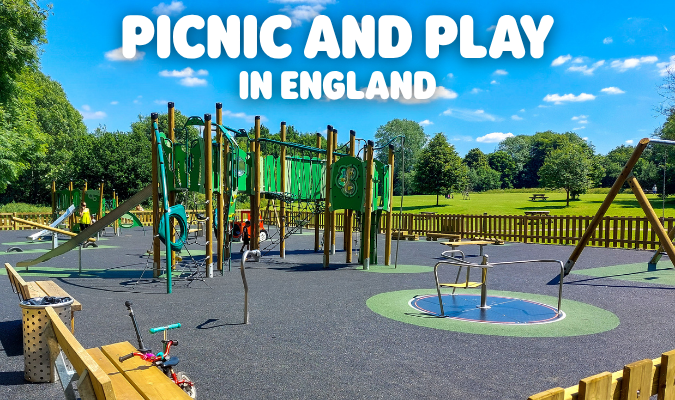
Picnic & Play… in England Welcome to our 2026 Picnic and Play guide, bringing together some of our favourite family-friendly parks and playgrounds across England. With fantastic playground equipment and plenty of space to unpack a picnic, each destination makes the perfect place for a family day out this summer. There are, of course, many […]
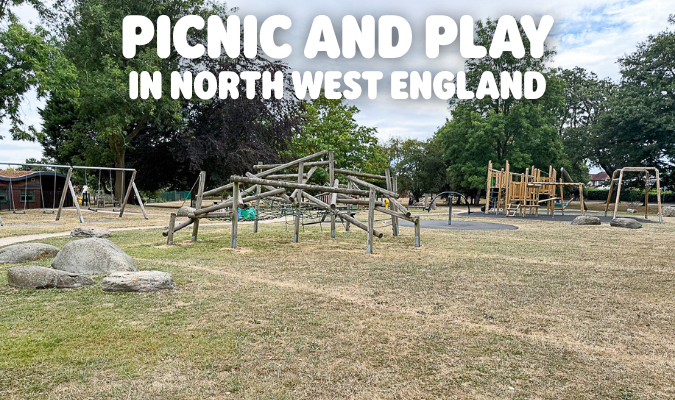
Picnic & Play… in North West England Welcome to Playdale’s Picnic and Play guide for 2026, created to help families find the best parks and playgrounds over the summer holidays! We’ve made sure all these parks are equipped with a fantastic selection of playground equipment and spaces to relax and enjoy a picnic. This time, […]