Planning a playground involves considerably more than choosing equipment. From initial site assessment and planning permission through to surface specification, layout design and inclusive provision, every decision has a bearing on how safe, accessible and enjoyable the finished space will be.
This guide covers the key stages of playground planning and design, whether you are commissioning a new play space from scratch, replacing existing equipment or upgrading an existing site. It is written for schools, local authorities, nurseries and any organisation responsible for providing outdoor play provision.
Table of contents:
1. What to consider before planning a playground.
2. How to design a playground.
3. Designing for inclusive play.
4. Working with a playground designer.
5. Playground planning & design FAQs.
Before any equipment is specified or designs are drafted, you first need to get your needs, wants and priorities in check. Getting these right at the outset will save significant time, cost and redesign work later in the process.
The starting point for any playground project is understanding who the space is for and how it will be used. The age range of children using the playground will determine appropriate equipment types, challenge levels, barrier heights and fall zone requirements under BS EN 1176.
A playground designed primarily for toddlers has fundamentally different requirements to one serving primary-age or mixed-age groups. Consider also when and how the space will be used. A school playground used for daily structured breaks has different demands from a public park visited intermittently by a wide age range. Usage patterns affect everything from equipment durability and maintenance frequency, as well as the need for supervision sightlines and rest areas.
A thorough site assessment is essential before any design work begins. Measure the available space accurately, including any areas that cannot be built on – such as utility access points, protected trees or existing drainage infrastructure.
Note the orientation of the site and identify any areas of permanent or seasonal shade from trees or buildings, as these affect both surface material choices and usability at different times of year.
Remember to assess the terrain underfoot. Significant gradient changes will affect layout options, accessibility and surfacing costs. Also note the condition of the existing ground – soil type, compaction levels and any areas of poor drainage – as these influence both the foundation requirements for fixed equipment and the long-term performance of surfacing materials.
Whether planning permission is required depends on the nature of the installation, the type of land and the scale of the structures involved.
In most cases, playground equipment on school or local authority land falls within permitted development rights, meaning full planning consent is not required. However, larger or more permanent structures, installations within conservation areas or on listed building grounds, and projects on private land not covered by permitted development, will typically require a formal application to the local planning authority.
It is the responsibility of the landowner or site operator to confirm the planning position before work begins. For schools, this typically falls to the business manager or site team working alongside the local authority.
For public open spaces, the relevant parks or estates team within the council will normally lead. If in doubt, a pre-application enquiry to the local planning authority is the safest first step.
Budget defines the scope and ambition of the project, so establishing a realistic figure early – and building in contingency – is essential.
The overall cost of a playground includes not just the equipment itself, but site preparation works, groundworks, surfacing, installation, any planning or structural fees, and ongoing maintenance provision.
It is worth considering phased investment from the outset. A well-designed playground can be planned in stages, with infrastructure and core equipment installed first and additional features added as budget allows – provided the initial design accommodates future expansion without requiring significant reworking of the layout.
Poor drainage is one of the most common causes of playground downtime and surface deterioration. A waterlogged surface not only renders equipment unusable but can also accelerate the degradation of timber components and compromise the impact-attenuation performance of surfacing materials over time.
Ideally, the site should have adequate natural drainage or be engineered to achieve it. Permeable surfacing systems – such as rubber mulch or engineered wood fibre – can support drainage where ground conditions allow, but should not be relied upon to compensate for a fundamentally poorly drained site. Where significant drainage works are required, these should be factored into the project programme and budget before equipment selection begins.
With the groundwork in place, the design phase can begin in earnest. Good playground design balances safety, usability, inclusivity and long-term appeal – and each of the decisions below contributes to the overall quality of the finished space.
A clear theme or concept gives the design coherence and helps to inform equipment selection, colour palette, surface treatment and ancillary features. Themes can range from the naturalistic – woodland, adventure, water – to more abstract or character-led concepts, and the right choice depends on the setting, the age group and the ambitions of the brief.
The theme should serve the children using the space, not just the visual identity of the site. A strong concept can significantly extend the imaginative and play value of even a modest equipment specification, encouraging children to engage with the space in more varied and sustained ways.
Surface selection is a safety-critical decision governed by BS EN 1177, which sets requirements for impact-absorbing surfacing in any area where a child could fall from a height greater than 0.6 metres.
The standard uses Critical Fall Height (CFH) as its key measure, and all surfacing must be tested and certified accordingly. Common surface types include wet-pour rubber, bonded rubber surfaces, loosefill wood and artificial grass, each with different performance characteristics, maintenance requirements and cost profiles.
Surface selection should also consider wheelchair accessibility – ensuring routes throughout the playground are firm, stable and slip-resistant in line with BS 8300.
Learn more about installing Playdale’s synthetic grass, designed to be both impact-absorbing and fully accessible.
Safety must be embedded into the design from the start, not reviewed at the end. The core framework is BS EN 1176, which sets requirements for equipment spacing, fall zones, entrapment risks, guardrail heights and structural integrity across all categories of playground equipment.
In practice, designing a playground for safety means maintaining clear fall zones around every piece of equipment and ensuring these zones do not overlap between adjacent items. Sightlines for supervising adults should be considered as part of the layout, with clear lines of vision across the whole space and no equipment creating blind spots.
For a full breakdown of UK playground safety standards and what they require in practice, see our guide to UK playground safety standards.
A well-designed playground guides children through the space naturally, with movement between equipment feeling intuitive rather than congested.
Equipment should be grouped and orientated so that circulation routes are wide enough to accommodate multiple children moving in different directions simultaneously, minimising the risk of collisions.
Consider the sequencing of the challenge across the space. Locating high-energy equipment – such as zip wires or climbing frames – away from natural thoroughfares reduces the likelihood of accidents caused by passing children. Quieter or lower-level equipment can be positioned closer to entry points or seating areas, creating a natural gradient of challenge as children move further into the play space.#
Natural elements enhance the play and developmental value of any outdoor space. Trees provide shade, define space and offer sensory interest across the seasons. Planting – whether flowering borders, grasses or shrubs – adds colour, texture and opportunities for discovery. Even natural materials such as logs, boulders or loose stone can extend the range of play experiences available without significant investment.
Where space and ground conditions allow, nature-based play and playscapes that integrate the built and natural environment are increasingly recognised as delivering stronger developmental outcomes than traditional equipment-only playgrounds.
Read more about incorporating nature into playground design and creating playscapes.
Not every child wants to be in the thick of the action, and a well-considered playground makes space for those who need a quieter environment or are due a short break to recharge.
A shaded seating area – whether a simple bench under a tree or a more defined social seating and shelter area – gives children a place to regroup, observe or take a break without leaving the play space entirely.
Rest areas also serve supervising adults, particularly in early years settings where extended outdoor sessions are part of the daily routine. Positioning seating with good sightlines across the space makes supervision easier without requiring constant movement.
Tables and benches can also be used as spaces for children to have a spot of lunch, as well as join in with table-based games and activities.
Inclusive design ensures a playground is genuinely accessible to every child in the community it serves, regardless of age, ability or sensory need – from surface specification and equipment choice through to access routes and sensory-rich features for neurodivergent children.
Surfacing plays a significant role in accessibility. Materials must be firm, stable and slip-resistant to support wheelchair users and children with mobility aids, while also providing the impact attenuation required under BS EN 1177. This includes the use of specific wheelchair-safe, flat surfacing, such as Wet Pour and Matta Tiles, that will not obstruct moving wheels.
Equipment choice is equally important. Inclusive play equipment is designed so that children of varying abilities can play alongside one another – whether that means ground-level sensory panels accessible from a wheelchair, multi-user items that encourage cooperative play across ability levels, or equipment that offers different forms of challenge and stimulation for children with sensory processing differences.
Explore the full range of inclusive play equipment.
Relevant standards include BS 8300 and the Equality Act 2010.
Read our full guide on Inclusive Playground Design: Accessibility, Sensory Play and Multi-Age Use
For many clients, working with a specialist playground designer is the most effective route to the perfect outcome for their needs.
A good designer brings not just creative input, but technical knowledge of safety standards, surfacing performance, planning requirements and equipment specification that takes years to develop.
At Playdale, the design process begins with a consultation to understand the brief, the site and the budget. From there, our team develops concept designs that balance your requirements with the practical and regulatory constraints of the project. Designs are developed iteratively, with client input at each stage, before moving to detailed specification and installation planning.
Here’s what to expect at each stage when using a playground designer:
1. Initial consultation – site visit or survey, discussion of brief, user group and budget.
2. Concept design – layout proposals, equipment recommendations, surface options and indicative costings.
3. Design development – revisions based on client feedback, detailed drawings and final specification.
4. Planning and compliance – confirmation of any planning requirements and safety standard compliance.
5. Installation – project-managed installation with handover documentation and inspection records.
Our team has over 40 years of experience designing and installing playgrounds across the UK, working with schools, local authorities, nurseries and private landowners. Explore some of our playground favourites for a taste of what’s possible, or get in touch to discuss your project.
For further insight into the knowledge a playground designer brings, read about how AI playground design compares to working with specialists.
Start with the basics: who the playground is for, what space you have available and what budget you are working with. A site assessment will tell you what is feasible in practical terms, and a conversation with a playground specialist can help you understand what is achievable within your parameters.
Getting professional input early is ideal – the decisions made at the planning stage have the greatest bearing on cost, safety and long-term usability.
A good layout provides clear sightlines for supervising adults, adequate fall zones around all equipment, logical circulation routes that minimise the risk of collisions and a natural gradient of challenge for the full range of children using the space.
It should also accommodate less active or more cautious children – not every child wants to climb, and a good layout ensures the space is engaging and accessible for all.
Not always. Most playground equipment on school and local authority land falls within permitted development rights, meaning formal planning consent is not required.
However, larger or more permanent structures, installations in conservation areas and projects on certain categories of private land may require planning application.
Timelines vary considerably depending on the scale and complexity of the project. A straightforward equipment replacement on an existing prepared site might be completed within a few weeks of order.
A new playground project involving groundworks, drainage, new surfacing and a bespoke equipment specification will typically take several months from initial consultation to installation – and longer if planning consent is required.
The key stakeholders depend on the setting. For schools, this typically includes the headteacher or business manager, the site team and – where appropriate – pupils and parents, whose input can be valuable in shaping a space children will actually want to use.
For local authority projects, the relevant parks, estates or children’s services team will normally lead, with input from ward members and community groups. A playground specialist should be involved early in the process to provide technical guidance alongside stakeholder engagement.
Equipment selection should follow from the design brief, not precede it. Once you have a clear understanding of your user group, site constraints, budget and design concept, equipment can be selected to meet those parameters. Consider the range of activities and challenge levels on offer, the balance between active and quieter play, and whether the overall selection is accessible to all.


We understand that every penny matters. Schools across the UK are under increasing pressure to make their budgets stretch further while delivering the best possible experience for pupils. With changes to PE and school sport funding on the horizon, planning and managing your budgets carefully is more important than ever. The UK Government has recently […]
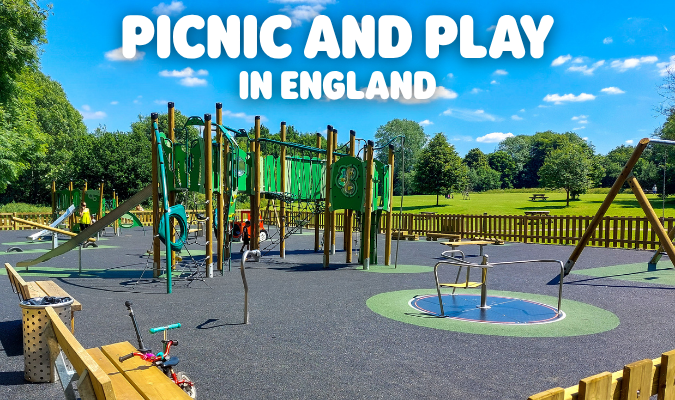
Picnic & Play… in England Welcome to our 2026 Picnic and Play guide, bringing together some of our favourite family-friendly parks and playgrounds across England. With fantastic playground equipment and plenty of space to unpack a picnic, each destination makes the perfect place for a family day out this summer. There are, of course, many […]
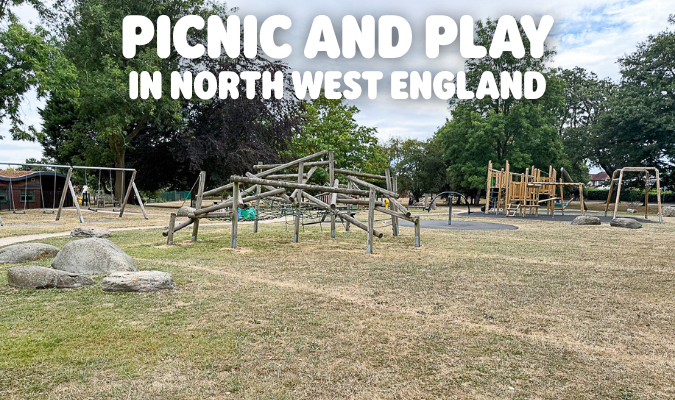
Picnic & Play… in North West England Welcome to Playdale’s Picnic and Play guide for 2026, created to help families find the best parks and playgrounds over the summer holidays! We’ve made sure all these parks are equipped with a fantastic selection of playground equipment and spaces to relax and enjoy a picnic. This time, […]